Japanese looks difficult from zero because the writing is unfamiliar, but the spoken basics are more regular than many learners expect. Verbs change in clear patterns, pronunciation is steady, and everyday conversation uses a small set of polite forms again and again. This guide is for complete beginners who want a clear, honest path from the first character to a simple conversation.
You do not need to learn everything at once. Start with the two syllable alphabets, add core words and simple sentence patterns, listen daily and speak early. That order keeps the work manageable and gives you visible progress in the first month.
Learn Hiragana and Katakana First
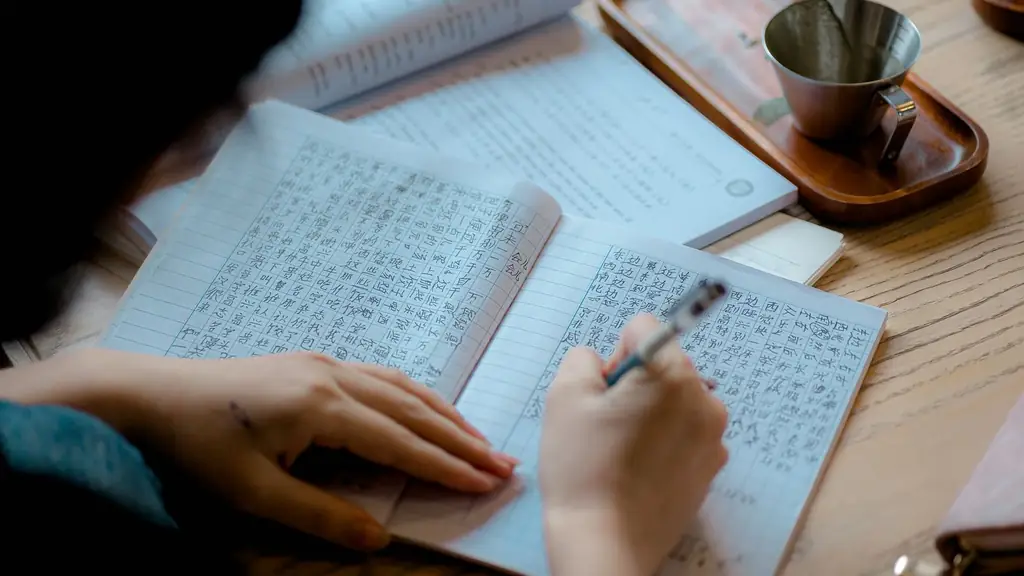
Japanese uses three writing systems, but beginners start with two: hiragana and katakana. Each is a set of about forty-six characters, and each character stands for one sound. Hiragana is used for native Japanese words and grammar, katakana for foreign words and names. Learn hiragana first, then katakana, and practise writing each character by hand.
Study five or six characters a day and review the earlier ones each time. Use flashcards, write the characters from memory, and read simple words as soon as you know enough characters to form them. Most learners can read both alphabets slowly within three to four weeks of daily practice. Do not start with kanji, the complex characters borrowed from Chinese. Kanji comes later, one step at a time, once you can read and speak basic Japanese.
Build Core Words and Simple Sentence Patterns
After the alphabets, build a small core vocabulary: greetings, numbers, days, family words, food, places and common verbs such as go, eat, buy and like. Learn words in phrases, not alone, so you can use them at once. For example, learn I would like coffee, not only the word for coffee. That habit makes every new word usable.
Learn the basic sentence pattern early: subject, object and verb at the end. A simple sentence such as I eat rice follows a clear order, and the small particles after each word show the role of that word. Learn the most common particles one at a time and use each in five real sentences the same day. A good beginner course will order these patterns for you, and our guide to choosing an online course helps you pick one that fits a complete beginner.
Listen Daily and Copy What You Hear
Listening trains your ear for Japanese sounds, rhythm and speed. Start with slow audio made for learners, such as short dialogues with a transcript. Listen once for the general meaning, then listen again while reading the transcript, and note the words you recognise. Repeat short lines out loud to practise the rhythm.
As you improve, move to simple podcasts, videos and shows with Japanese subtitles. Keep listening short and daily, ten to fifteen minutes is enough at the start. Do not try to understand every word. Aim to catch the topic, the key words and the speaker feeling. That skill grows with time, and it is the foundation for understanding real conversation later. For a routine that supports daily listening, see a weekly study routine.
Speak Early in Short, Scripted Exchanges
Speaking Japanese early matters, because the sounds and the polite forms need practice in your mouth, not only in your head. Start with scripted exchanges: a greeting, a self-introduction, ordering food, asking a price and saying thank you. Practise each exchange until you can say it without reading, then use it with a tutor or a language partner.
Keep your first conversations short and structured. Agree a simple format with your partner: introductions, three questions and a closing. When you make a mistake, note the correction and reuse the corrected sentence the next day. Do not worry about kanji or formal speech levels at this stage. Clear, polite, simple Japanese is understood and welcomed, and it is the base for everything that follows.
Check Before You Enrol in a Japanese Course
Before you pay for a Japanese course, check four things. First, whether it starts from zero and teaches hiragana and katakana properly, rather than skipping to phrases in roman letters. Second, whether it includes speaking practice with feedback, because reading alone will not build conversation skill. Third, whether the pace and the level suit a complete beginner.
Fourth, check the total cost, the access period and the refund terms, and check current pricing on the official page. Try a free lesson or a trial week and test the teacher, the materials and the platform. A course that teaches the writing systems well and gives you regular speaking practice is worth more than a longer course that only offers video lessons. Also compare options with paid versus free courses before you decide.
Meet Kanji Slowly, One Step at a Time
Kanji, the complex characters borrowed from Chinese, worry many beginners, but you do not need them at the start. Learn kanji only after you can read hiragana and katakana and hold a simple conversation. Start with the most common characters, such as those for person, day, month and year, and learn each one with a word you already know, not on its own.
Study three to five new kanji a week and review them with spaced repetition, writing each one by hand a few times. Reading simple texts with furigana, the small hiragana printed above kanji, helps you connect the character with its sound. Kanji is a long project, not a first-month task, and steady small steps will take you further than trying to memorise hundreds at once. When you learn a new character, write it by hand, say the word that uses it out loud, and review it the next day, because that mix of writing, sound and review is what moves a character from short-term memory into lasting knowledge.
Conclusion
Learning Japanese from zero is a clear sequence: hiragana and katakana first, core words and simple patterns next, daily listening, early speaking and a course that starts properly from the beginning. Study a little every day, write the characters by hand, speak from the first weeks and review what you learn. That steady routine turns an unfamiliar language into one you can read, hear and use.
How long does it take to learn Japanese from zero?
With thirty minutes a day, most learners can read hiragana and katakana and hold a simple conversation in three to six months. Reaching a confident basic level for travel and daily life usually takes a year of regular study.
Should I learn hiragana before kanji?
Yes, learn hiragana and katakana first. They are the foundation for reading and writing, and they let you read simple Japanese while you learn kanji slowly, a few characters at a time, later on.
Is Japanese grammar hard for beginners?
Japanese grammar is different from English, but it is regular and logical. The verb comes at the end and particles show the role of each word. Learn one pattern at a time and use it in real sentences the same day.
Can I learn Japanese only with apps?
Apps help with characters, vocabulary and daily habit, but they rarely give enough speaking practice or clear grammar explanation. Pair an app with a structured course and regular conversation practice for real progress.