Accounting is a skill that rewards beginners more quickly than most people expect, because the subject is built on a small number of rules that repeat in every transaction. The difficulty is not the maths, which rarely goes beyond basic arithmetic, but the vocabulary and the habit of recording every event in the right place. Learn the rules in the right order, practise with real examples, and the subject opens up fast.
This guide is for a complete beginner who needs accounting for work, for a small business, for a career change or for a course requirement. It covers the core ideas in the order that makes them easiest to grasp, explains how to practise with spreadsheets and simple examples, and shows how to choose a course without overpaying. No prior finance knowledge is assumed, and no specific software is required to start.
Begin With the Accounting Equation
Everything in accounting rests on one equation: assets equal liabilities plus equity. Assets are what a business owns, liabilities are what it owes, and equity is the owner claim on what remains. Every transaction changes at least two parts of this equation, and the equation must always balance. If you can explain that sentence to a friend, you already understand the spine of the subject, and every later topic is a variation on it.
Practise the equation with tiny examples before you touch any software. A business buys stock for cash, a customer pays an invoice, the owner puts in money, the business pays rent. For each one, ask which parts of the equation move and by how much. Writing ten such examples by hand teaches more than reading a chapter, because it forces you to decide rather than recognise. Keep a page of these examples and revisit it whenever a new topic feels confusing.
Learn Double Entry and the Main Accounts
Double entry is the rule that every transaction is recorded in at least two accounts, with a debit in one and a credit in another. Debits and credits are not good and bad, they are simply the two sides of each account, and the rules for which side increases an account depend on the account type. Assets and expenses increase with debits, while liabilities, equity and income increase with credits. This sounds abstract until you practise it, so practise it early and often.
Start with the five main account types and one example for each: assets such as cash and equipment, liabilities such as loans, equity such as owner capital, income such as sales, and expenses such as rent. Record a week of invented transactions for a small shop, posting each one as a debit and a credit, and check that your debits equal your credits at the end. A spreadsheet course is a useful companion here, because spreadsheets make the trial balance easy to check and correct.
Read the Three Main Financial Statements
Once you can record transactions, learn to read what they produce. The income statement shows revenue and expenses over a period and the resulting profit or loss. The balance sheet shows assets, liabilities and equity at a single point in time, and it is the accounting equation in statement form. The cash flow statement shows where cash came from and where it went, which often tells a different story from profit alone, because a business can be profitable and still run short of cash.
Study the three statements together rather than in isolation. Pick a small listed company or a sample set of accounts from a textbook and trace one transaction through all three statements, noting where it appears and where it does not. This habit builds the skill employers actually test, which is reading accounts and explaining what they mean, not reciting definitions. If you can explain why profit and cash differ for a simple business, you understand more than most beginners.
Practise With Spreadsheets and Real Examples
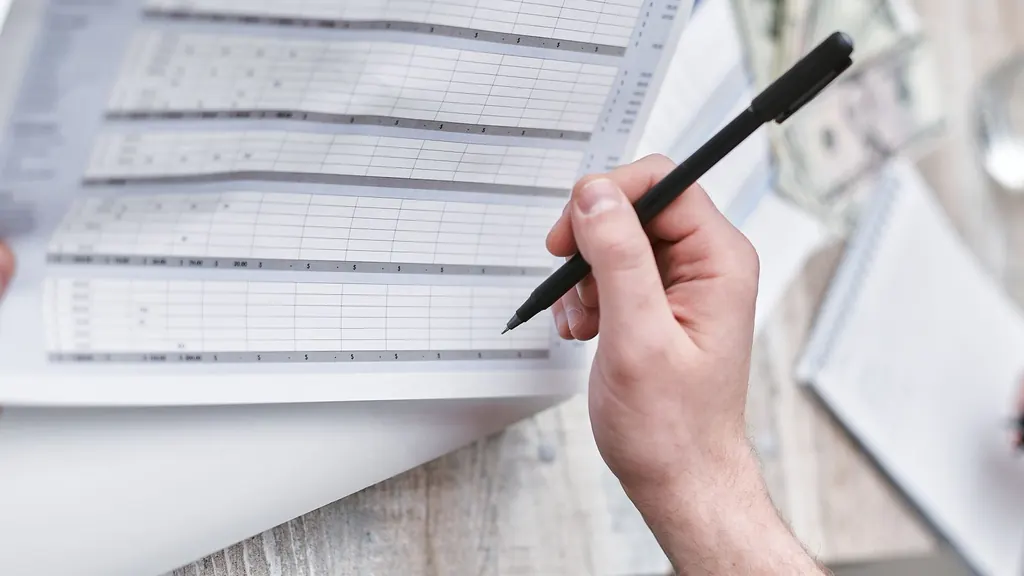
Theory without practice fades fast in accounting, so build a weekly practice habit. Keep a simple spreadsheet for a fictional business, record a handful of transactions each week, produce a trial balance, and then draft the income statement and balance sheet from it. When the numbers do not balance, treat the error as the lesson, because finding it teaches you how the accounts connect. Most early errors come from posting to the wrong side or forgetting the second half of a transaction.
Real examples make the practice stick. Use your own household budget as a training set, or follow the published accounts of a small business you know. Reading a real set of accounts, even a simple one, shows how the ideas look outside a textbook. A data analysis course can add useful skills later, since analysing financial data is a natural next step once the basics are solid.
Choose a Course and a Study Routine
Many free and paid courses cover accounting basics well, so choose by structure rather than by brand. A good beginner course starts with the accounting equation, covers double entry early, includes practice exercises with answers, and builds toward reading real financial statements. Check the syllabus before you enrol, and confirm that the course includes worked examples rather than only definitions. Avoid courses that promise mastery in a weekend, because accounting needs spaced practice.
Study in short regular sessions of thirty to forty-five minutes, four or five times a week, rather than in long weekend blocks. After each session, write one short paragraph explaining what you learned in your own words, and keep those paragraphs as revision notes. Test yourself with a few transactions at the start of each session before reading new material, because recall practice strengthens memory far better than rereading. If you freelance or run a small business, a freelancing skills course can show how accounting fits the work you already do.
Check Before You Pay for an Accounting Course
Before paying, confirm what the course includes and what it leaves out. Check whether practice exercises come with worked answers, whether the course uses a specific software package you would need to buy, and whether the certificate, if any, is included in the price. Check current pricing on the provider site, since prices change often, and compare a free introductory course first, because many learners discover that a free course covers the basics well enough.
Be wary of courses that claim a single certificate guarantees an accounting job. Employers value demonstrated skill and accurate work, and a certificate helps only when it sits on top of real practice. A better use of money is a course with strong exercises and clear explanations, even if it is modest, followed by steady practice with real examples. That combination builds the competence that employers and clients actually notice.
Conclusion
Accounting basics are within reach of any beginner who learns the rules in order and practises them. Start with the accounting equation, master double entry with small examples, learn to read the three financial statements together, and practise weekly with a spreadsheet. Choose a course with worked exercises, study in short regular sessions, and let real examples do the teaching. A few months of that routine leaves you able to record transactions accurately and read accounts with confidence.
Is accounting hard to learn for a complete beginner?
Accounting is very learnable for a beginner because the maths is basic arithmetic and the subject rests on a small set of rules that repeat. The hardest part is the vocabulary and the habit of recording every transaction in two places. Regular practice with small examples makes both feel natural within a few weeks.
What is the first thing I should learn in accounting?
Start with the accounting equation, assets equal liabilities plus equity, because every later topic is a variation on it. Practise it with ten small examples, such as buying stock or paying rent, before moving on to double entry. If you can explain the equation in plain words, the rest of the subject is far easier to follow.
Do I need accounting software to learn the basics?
No, a spreadsheet or even pen and paper is enough for the basics. Software speeds up real work later, but learning by hand first teaches you what the software is doing. Once you understand double entry and the financial statements, learning a package takes far less time.
How long does it take to learn accounting basics?
With four to five short sessions a week, most beginners grasp the core ideas in two to three months. That covers the accounting equation, double entry, the main accounts and reading the three financial statements. Reaching a work-ready level takes longer and needs practice with real or realistic business records.